Home >> News >> Industry News
25th. May, 2026
For luxury watch brands, the box is not just a functional component—it is part of the brand story. The choice of materials and finishing techniques can significantly influence how the watch is perceived in the market. A box that looks and feels premium can make a mid‑range watch feel more luxurious, while a weak or mismatched box can dilute even the most expensive timepiece.
1. Materials that signal quality
Different materials create different associations. Common choices include:
l Wood
Wooden watch boxes evoke a sense of tradition, craftsmanship, and timelessness. Black or dark wood finishes with piano lacquer or matte surfaces are particularly popular for high‑end brands. Wood can be combined with metal edges or leather lining to create a multi‑material package that feels rich and complex.
l Paperboard
Paperboard is lighter and more flexible than wood, making it ideal for e‑commerce and global shipping. High‑quality, thick paperboard with a soft‑touch coating or embossed surface can still look very premium. Brands that want a more minimalist or eco‑friendly direction often choose this material.
l Mixed materials (wood + metal, wood + leather, etc.)
For limited editions or collector‑style boxes, mixed materials are common. A wooden carcass with a metal top plate and a leather interior lining creates a luxurious, multi‑sensory object that feels premium in both touch and vision.
The key is not to choose the most expensive material, but to choose the one that best reflects the brand’s identity and target market.
2. Surface finishes and branding detail
Once the base material is chosen, the finishing determines the box’s visual character:
l Piano lacquer produces a smooth, glossy surface that reflects light and enhances the sense of refinement.
l Matte coatings create a softer, understated look that is popular in Europe and North America.
l Metallic finishes (gold, rose gold, chrome) add a sense of luxury and status, especially for Middle Eastern and Asian markets.
l Embossing and debossing create texture and depth on printed surfaces, reinforcing brand identity through tactile cues.
l Foil stamping and spot UV highlight specific elements such as logos, names, or patterns, creating a strong visual hierarchy.
These finishing techniques are not just decorative; they influence how the customer feels when they first touch the box. A smooth, glossy surface and a subtle embossed logo can create a powerful impression that lasts beyond the unboxing moment.
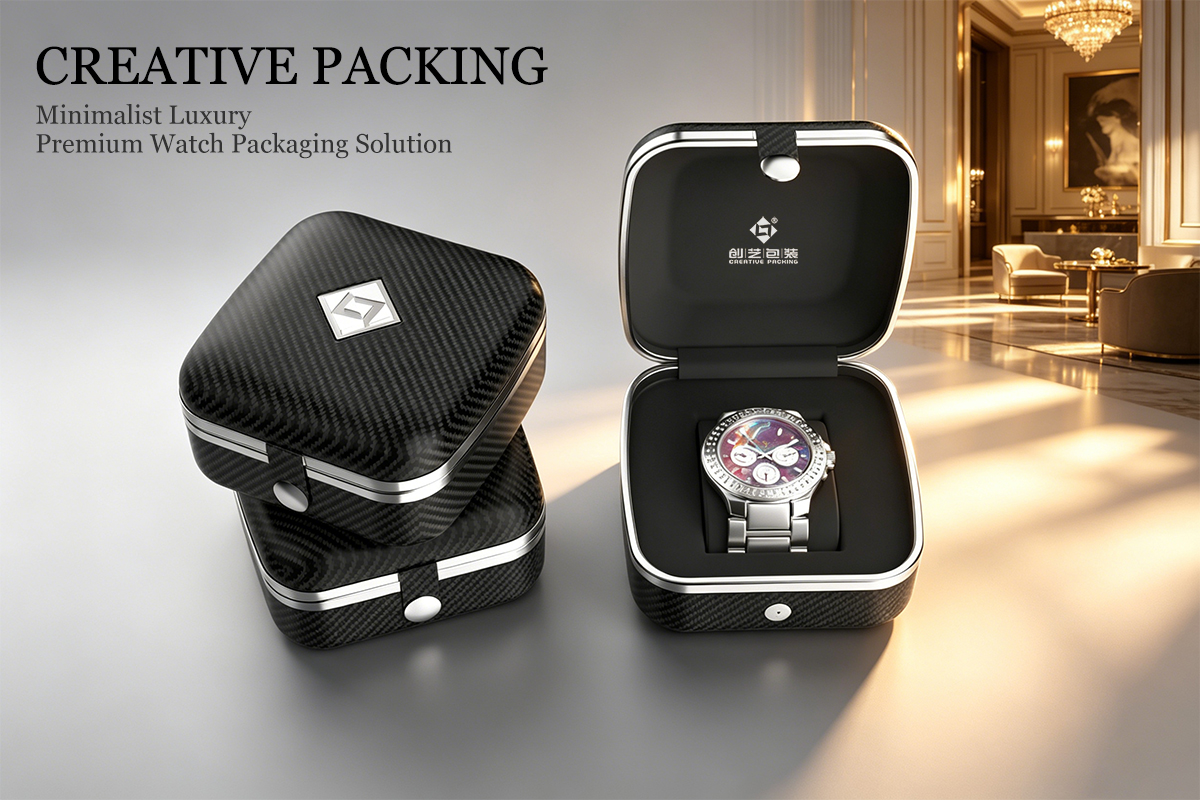
3. How material choices affect brand positioning
In practical terms, material and finish can push a brand in different directions:
l High‑gloss wood or metallic finishes can position a brand as bold, luxurious, and status‑driven.
l Matte, natural wood, or plain paperboard can create a sense of restrained luxury and connection with sustainability.
A brand selling in several regions at once may need to choose different combinations of materials and finishes for each market. For example, a high‑gloss wooden box may be ideal for the Middle East, while a matte, eco‑friendly paperboard box may resonate better in Europe.
The message the material sends should be aligned with the brand’s overall story. If a brand wants to appeal to environmentally conscious consumers, the use of FSC‑certified paper, recyclable structures, and water‑based inks becomes part of the value proposition.
4. Practical considerations: weight, durability, and cost
While aesthetics matter, the choice of materials must also consider:
l Weight (for transport and e‑commerce).
l Durability (resistance to moisture, impact, and repeated use).
l Cost (especially for brands that need to keep margins high).
For example, a solid wooden box will feel substantial but may be too heavy for certain e‑commerce channels or export routes. A paperboard box with a faux‑wood finish may offer a similar look at a lower weight and cost. The watch box manufacturer should help the brand find the optimal balance between perceived quality and practical constraints.
5. Bringing material and finish choices closer to the brand
From the brand’s perspective, the most effective approach is to treat the box as a mini‑branding campaign, just like a product page or an ad. The material and finish should tell a story—about the brand’s values, personality, and relationship with the customer.
At Creative Packing, we help international watch brands translate these stories into tangible packaging solutions. We advise on material selection, finishing techniques, and market‑specific combinations, and then guide the client from design through sampling to mass production. If you are launching a new watch or reworking an existing packaging line, we can help you choose the right mix of materials and finishes to elevate your brand and reinforce your positioning in the market.
Related reading:
l How to Choose the Right Watch Box for Luxury Brands
l Luxury Watch Box Design for the Middle East Market
l Perfume Box Design Trends & Brand Packaging: How to Create High-End and Personalized Perfume Boxes
Previous: None
NEXT: None
Phone: +86 13538511868
E-mail: [email protected]
No. 13 Zhan North Road, Baisha Village, Humen Town,Dongguan City, Guangdong Province, China